



It’s Time to Put Mental Health Care over Insurance Company Profits
Our mental health system is at a breaking point. New Yorkers need more services, especially students, older adults, immigrants and LGBTQ+ people targeted by Trump. One solution is to scrap our current billing system for Medicaid behavioral health care, which has been a disaster. It delays care, bogs down providers, and costs the state a whopping $400 million so that for-profit insurance plans can line their pockets.
Over a decade ago, New York made a fateful decision to move behavioral health services from “fee-for-service” and into the Medicaid “managed care program.” The promise was better care coordination, mental health and primary care integration, new payment arrangements and cost savings. The insurance plans had over 10 years to figure out how to get it right. They haven’t. Instead, it’s been a total failure. New Yorkers struggling with mental health and substance use disorders are paying the price and so are New York taxpayers.
The evidence of managed care’s failure is overwhelming. After a decade with this model, 43% of mental health clinics still maintain waiting lists. Youth suicide rates increased 9.9% during that time. Meanwhile, state Attorney General Letitia James found that 86% of behavioral health provider directories were inaccurate “ghost networks” filled with practitioners who don’t actually see patients, or don’t exist at all.
Here’s what also boggles the mind: the state pays insurance companies to serve as middlemen between Medicaid and behavioral health providers. These companies keep at least 11% for “administrative expenses” and profit which totals approximately $400 million per year—while adding no measurable value to patient care. This is simply not a justifiable use of taxpayer money.
The quality of services is equally appalling. Since 2019, managed care plans have received over 320 citations for violations, including noncompliance with mental health parity laws, delayed and denied payments owed to providers for services rendered, and failure to spend allocated funds on actual care. The state has recovered over $500 million from insurers who hoarded money instead of paying for services already provided, in violation of a contract requirement that the plans spend 96% of the premiums they receive on actual care. There continues to be widespread plan evasion of this contract requirement. An independent analysis shows that when New Yorkers with substance use disorders have their claims denied but then are sent to an external appeal, they prevail 64% of the time, proving insurers were wrong nearly two-thirds of the time.
Community-based providers spend between $200,000 and $1 million annually just managing managed care—employing staff whose sole job is chasing reimbursement, appealing denials, and navigating red tape. These are resources that should be spent hiring clinicians, opening clinics, and reducing waiting lists. Instead, they’re funding compliance with a system that systematically obstructs care.
We have a solution: S8309/A8055, legislation that would return most outpatient mental health and substance use disorder services to Medicaid fee-for-service (FFS) reimbursement. This course correction could save lives and the state $400 million dollars per year.
Our bill is straightforward. By returning these services to FFS, we eliminate the middleman. Providers get paid directly and on time. Administrative burdens decrease dramatically. The $400 million currently going to insurer profits gets reinvested in actual health care. The current FFS program already has checks and balances, so New Yorkers get the services to address their needs, nothing more. The denial rate in FFS is approximately 20%, as compared to over 60% in managed care, which gets two-thirds of their denials overturned anyway.
We already have proof this model works and the technology to implement it. In 2023, New York carved pharmacy benefits out of managed care, saving hundreds of millions of dollars while improving access and eliminating network restrictions.
Our bill would require that savings from this transition be reinvested into community-based behavioral health services overseen by the Office of Mental Health and the Office of Addiction Services and Supports. This creates an efficient process for New Yorkers to receive essential mental health and addiction care while ensuring that every taxpayer dollar goes directly to care, not corporate profit.
We urge our colleagues in the Legislature, many of whom cosponsor our bill, to prioritize the needs of New Yorkers over insurance company profits and include the behavioral health carve out in the state budget. We need the Governor to champion this effort which will affordably improve mental health.
After a decade of system failure, New Yorkers in crisis deserve better. The managed care experiment has failed on every metric that matters—access, quality, fiscal responsibility, and outcomes. It’s time to move to something different. It’s time to invest in care, not insurance company profits.
New Yorkers are counting on us to do what’s right.
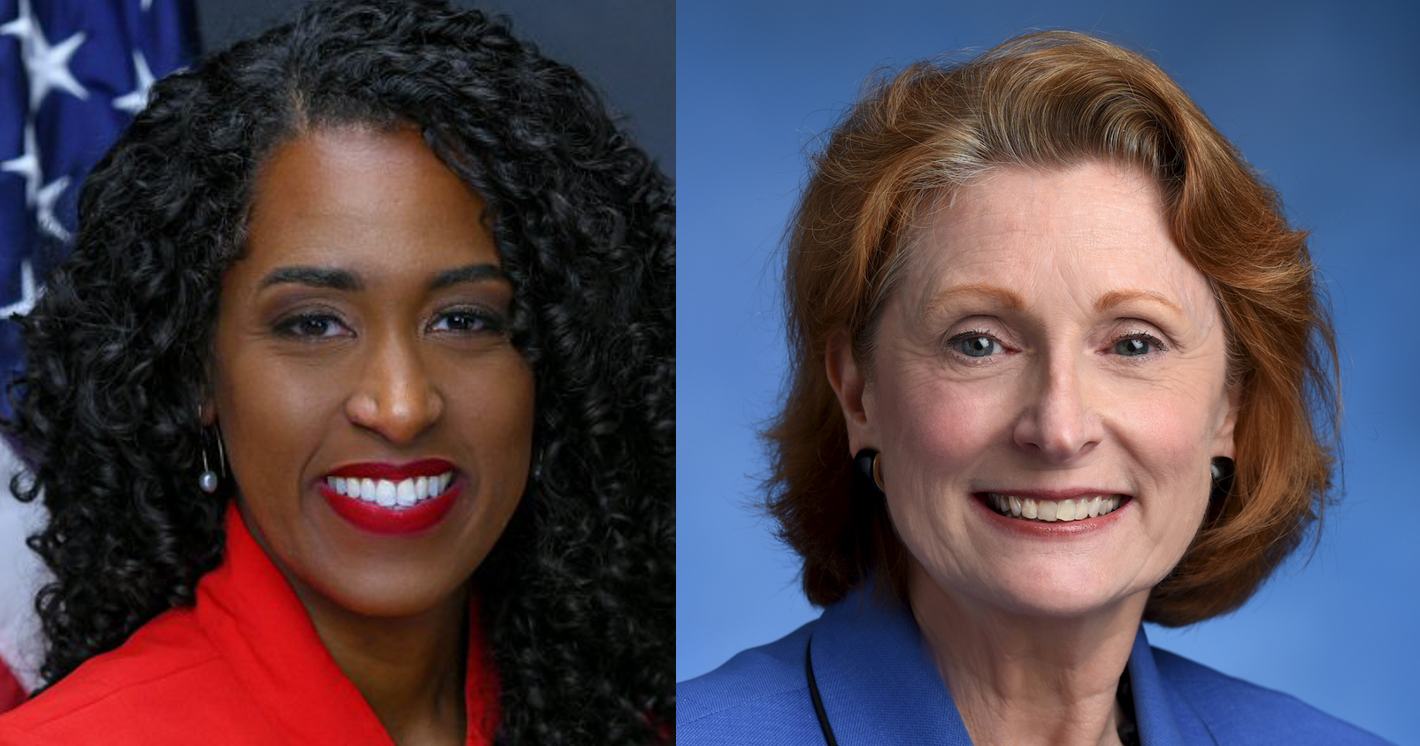
State Senator Samra Brouk represents the 55th Senate District. Assemblymember Jo Anne Simon represents the 52nd Assembly District. They both serve as the Chair of the Mental Health Committees in their respective houses.